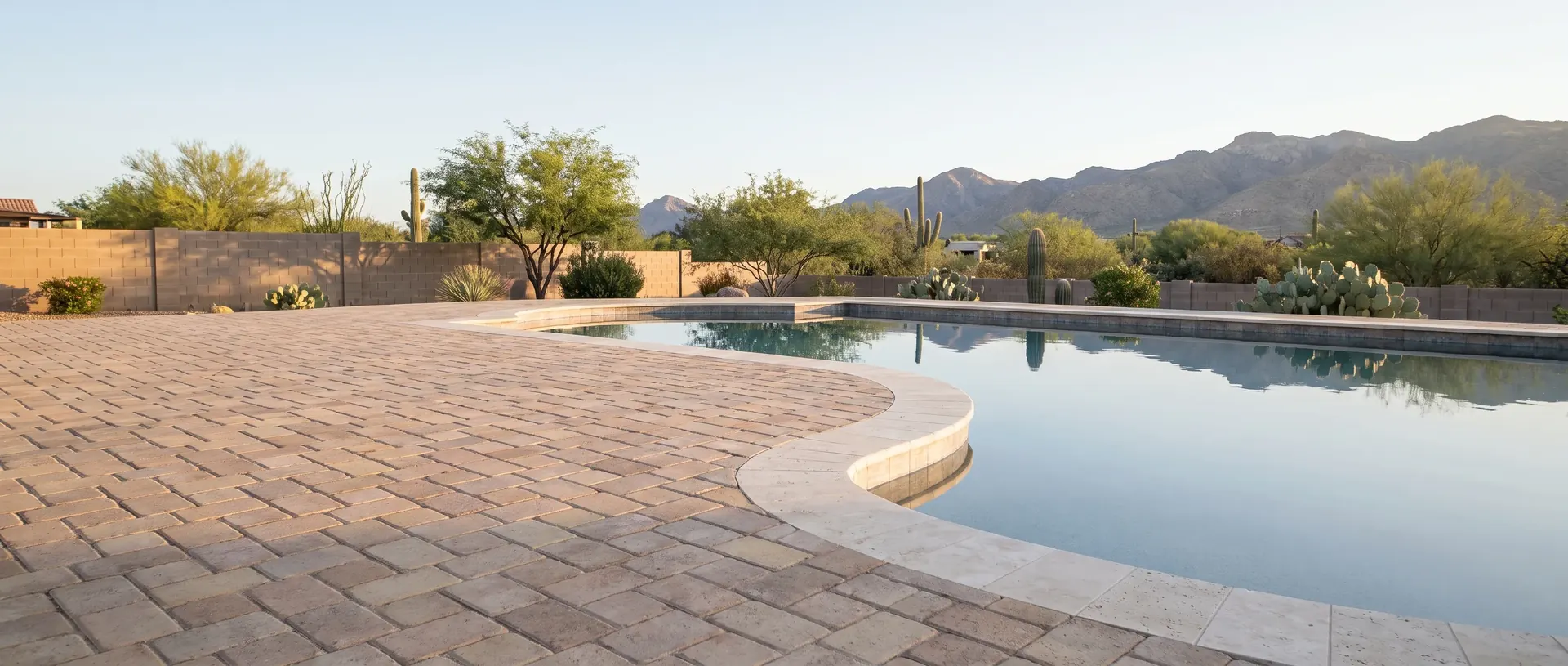
Coping set first, deck built out from it
Installation
Pool Deck Pavers and Coping in Tucson
Coping set first and the deck built to it. Fall running away from the water. Light materials, because people cross this surface barefoot and wet.
Fall designed away from the pool
Light colours specified for barefoot comfort
Individual units replaceable without a patch
Before you choose anything
Two constraints decide everything on a pool deck
People walk on it with no shoes, and they walk on it wet. That is a much narrower specification than a patio, and it rules out a surprising number of otherwise good materials.
The barefoot constraint is about colour more than material. A charcoal paver and a cream travertine in the same position at three in the afternoon in July are two different experiences, and the difference is not marginal. It is the difference between crossing the deck normally and doing the short sprint everyone with a dark deck learns to do.
The wet constraint is about texture. A smooth troweled or highly polished surface at a water edge is a genuinely bad idea, and it is why textured paver faces and tumbled or brushed stone finishes dominate around Arizona pools.
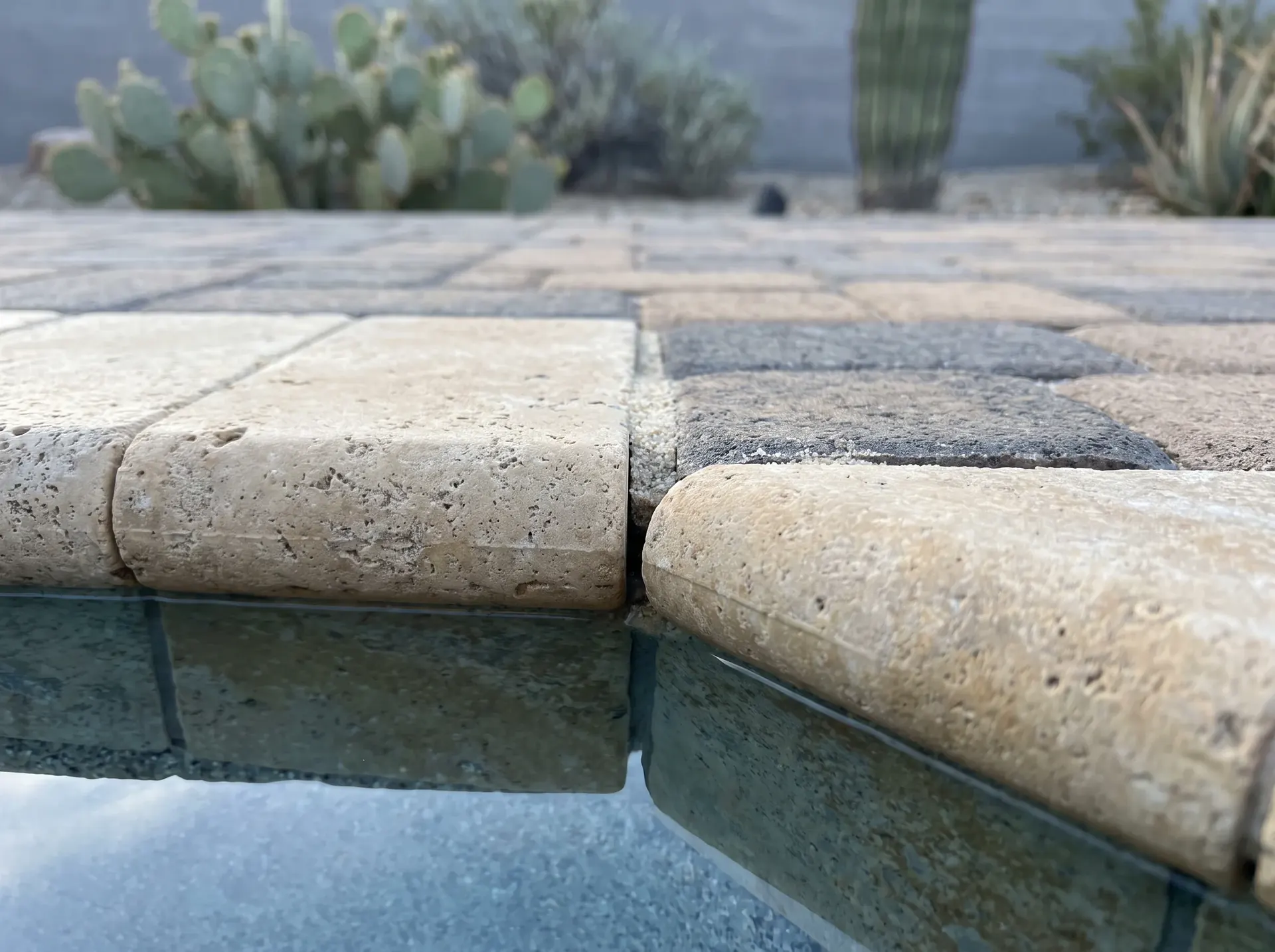
The third thing, which is not a constraint but is where quality shows, is the coping. It is the edge everybody touches, sits on and looks at, it is the line your eye follows around the whole pool, and it is where the deck meets water. A coping run that is a sixteenth of an inch out is visible from the far side of the pool. So we set the coping first and build the deck out from it, rather than laying the field and cutting the coping in at the end, which is faster and produces the uneven coping line you can see on a lot of decks in this city.
The work itself
What we build
Full paver pool decks
Removing the existing deck, correcting the base and laying a full paver surround, normally with new coping at the same time since the two meet at the most visible joint on the property.
Coping replacement
Replacing cracked, failed or dated coping while keeping the existing deck. Bullnose, square edge and cantilever profiles, bedded and bonded properly rather than set loose on a bed of sand.
Deck extensions and paver overlays
Extending a deck to gain usable space, and in some cases laying pavers over a sound existing deck where the levels allow it. Whether an overlay works depends on coping height and door thresholds, and we check that before proposing it rather than after.
Line by line
What is included
Demolition and base
Existing deck broken out and removed, subgrade compacted, aggregate base placed and compacted. Around a pool this also means working carefully near the shell and knowing what is buried in the deck.
Coping installation
Coping bedded and bonded at the water edge with a consistent overhang, level along its whole length, and the joint to the pool shell detailed to accommodate movement. Set first, before any field paving.
Fall, drainage and deck laying
The whole deck laid with a designed fall away from the water and a route for it to leave, then the field laid out from the coping, curves cut on a saw to follow the shell, and edges restrained.
Joints, compaction and reinstatement
Joint sand swept and settled, the field compacted with a protective pad, the deck washed down and the pool cleaned of any debris from the work.
Six steps, in this order
How the build runs
1Site visit and levels
We check the existing deck levels, the coping height, the door thresholds and where deck water goes now. Around a pool the levels are constrained in ways a patio never is.
2Material and layout
Paver, travertine or a mix chosen outdoors in daylight with both surface temperature and wet grip considered. Layout planned so the cuts around the pool curve stay consistent all the way round.
3Fixed quote
Itemised with demolition, base, coping, deck field and drainage separated. Coping is always its own line.
4Pool protection and utilities
Blue stake locates, the pool covered and protected, and equipment access planned so nothing is dragged across the shell, the tile or the coping.
5Install
Demolish, excavate, base, compact, set coping, then deck out from it, cut, restrain, sand, compact.
6Walkthrough
We run water across the deck with you so you can see where it goes, and leave joint sand for topping up through the first season.
Why us
Why build with us
We set the coping first. It is slower and it produces a line that reads true all the way round the pool, which is the single most visible quality signal on a pool deck.
We design the fall away from the water. A deck that drains into the pool sends grit and debris into your filter every time it rains or gets hosed, and it is impossible to correct afterwards without lifting the deck. It costs nothing to get right during the build.
And we specify for barefoot and wet rather than for a showroom. Colour, material and surface texture all get chosen against how the deck will behave in July with wet feet on it. We will show you samples outdoors in real sun for exactly that reason.
Want a real number on your pool deck?
Send us photos of the pool, the deck and the coping, plus rough dimensions. We will come out and quote it.
From a People Also Ask harvest
Pool deck questions
Are pavers good for a pool deck?
They are one of the better choices here, for three reasons. Light coloured units stay meaningfully cooler underfoot than dark concrete. The joints give splash out somewhere to go instead of sheeting across the surface. And individual units can be lifted and replaced if something cracks or stains, which around a pool is more useful than it sounds, because pool decks take furniture, equipment and chemical spills.
What is the best material for a pool deck?
In this climate, whatever combination gives you the lightest colour and enough surface texture to be safe wet. Travertine and light coloured concrete pavers both do well on both counts, and a light textured overlay on sound existing concrete is a legitimate lower cost option. The material category matters less than the colour.
What is better around a pool, concrete or pavers?
Concrete costs less and gives a continuous surface with no joints. Pavers cost more and give you a cooler surface for the same colour, better grip when wet, and the ability to lift and replace a damaged area invisibly. The deciding factor for most people here is heat, and after that it is whether the existing deck is worth keeping.
What is the best paver to put around a pool?
A light coloured unit with a genuine surface texture, in a format that cuts cleanly to a curve. Tumbled or textured faces in pale tan, buff or grey are the usual answer, and a high gloss or very smooth face is the usual mistake. Whatever you choose, look at the sample outdoors in full sun rather than under shop lighting.
How much does it cost to put pavers around a pool?
Pool decks cost more per square foot than a plain patio because of the coping work, the curved cutting around the shell, demolition of the existing deck and the care required working next to water. Ask for coping to be quoted separately from the deck field so you can see both.
What is the best decking to use around a pool?
If the question means timber decking, we would not recommend it here. Tucson sun is punishing on timber and composite alike, both run hot in full afternoon sun, and a raised deck around a pool introduces structure and maintenance that a paved surround does not have. A light coloured paved deck is lower maintenance and cooler.
Pima County
Where we build
We build across Tucson, Oro Valley, Marana, Vail, Sahuarita, Green Valley, Catalina Foothills, Casas Adobes, Rita Ranch, Dove Mountain, Corona de Tucson and Tanque Verde.
Next door to this one
Related paver work
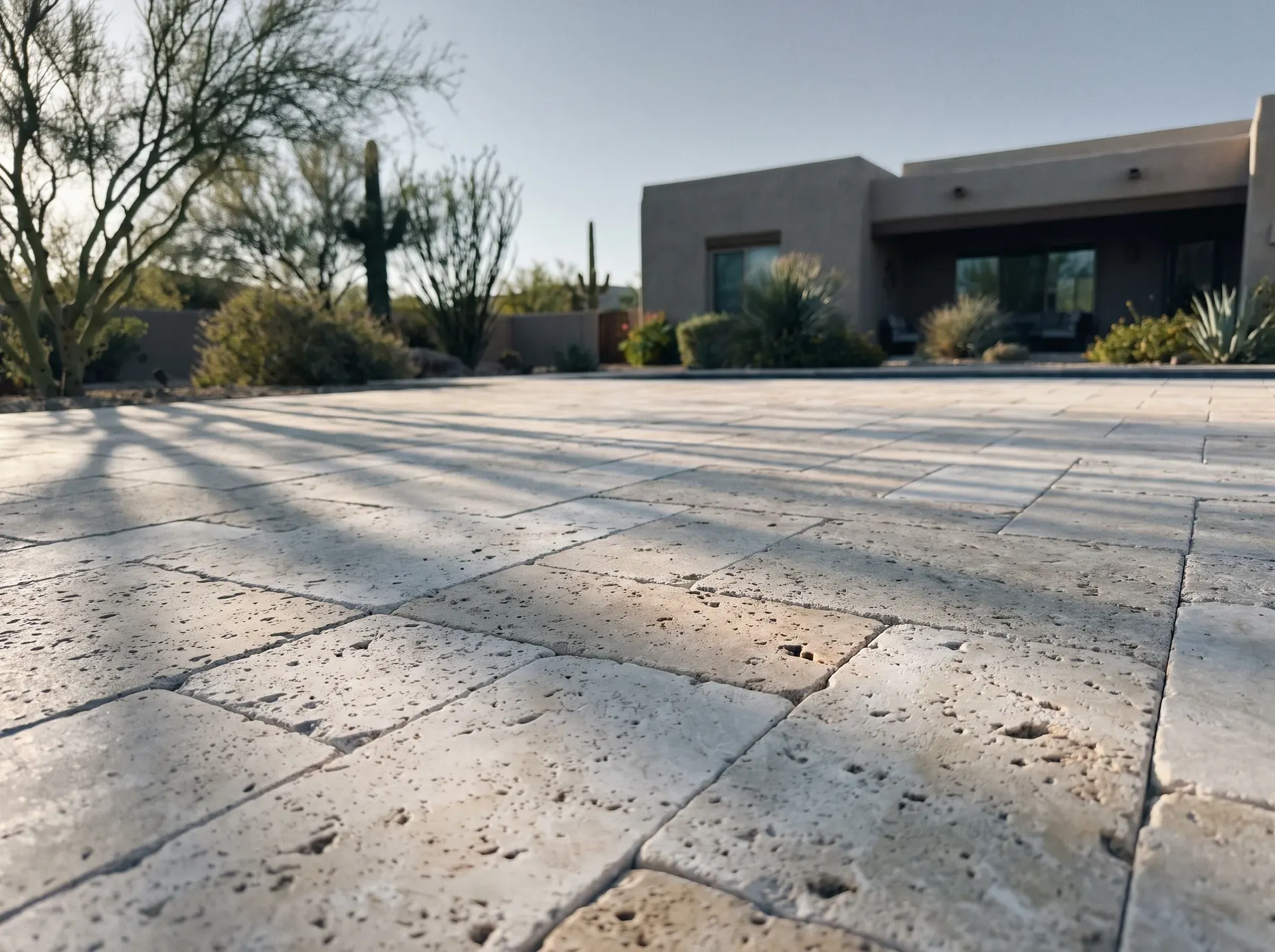 Travertine PaversNatural stone with real colour variation, noticeably cool underfoot for its tone, and porous enough that it wants sealing. Set on a compacted base, never on sand over dirt.See the detail
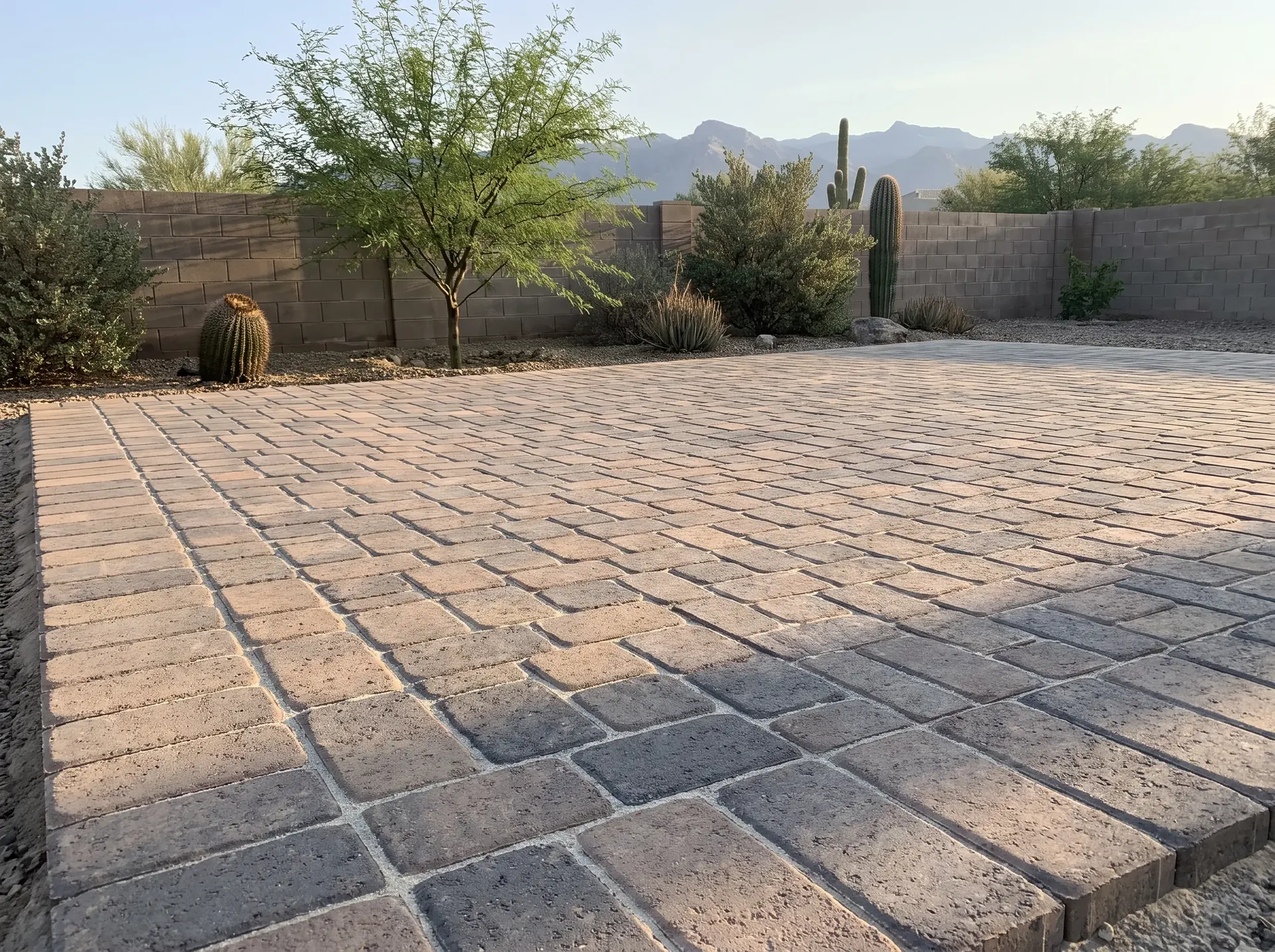 Paver PatiosThe main entertaining surface, sized around what actually goes on it and laid with the fall running away from the house. Excavation and base depth quoted in writing, edge restraint on every open edge.See the detail
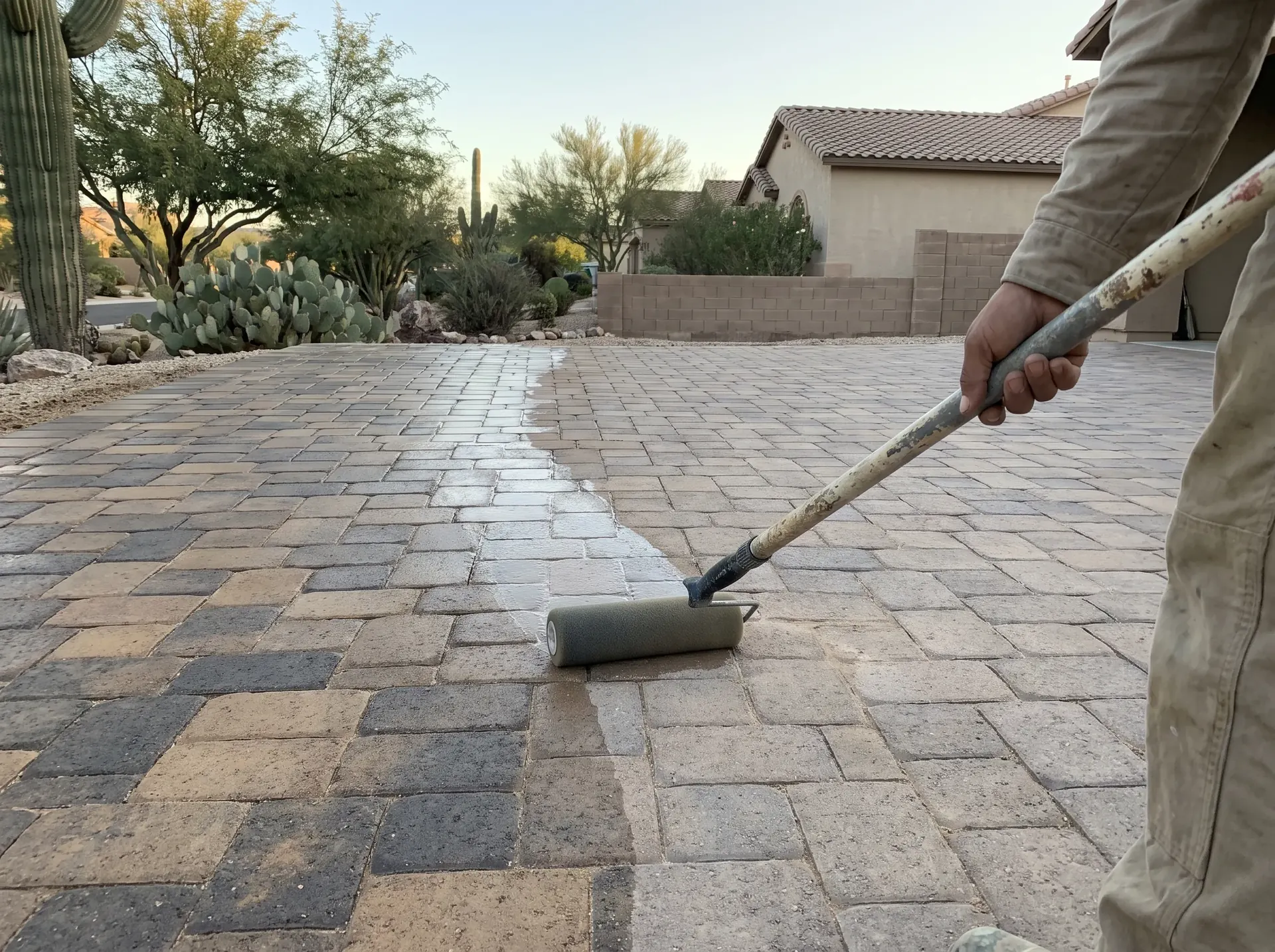 Paver SealingSealer specified for Tucson UV and applied at the right coverage rate, on the surfaces where it genuinely helps. We will tell you honestly when it is not worth doing.See the detail
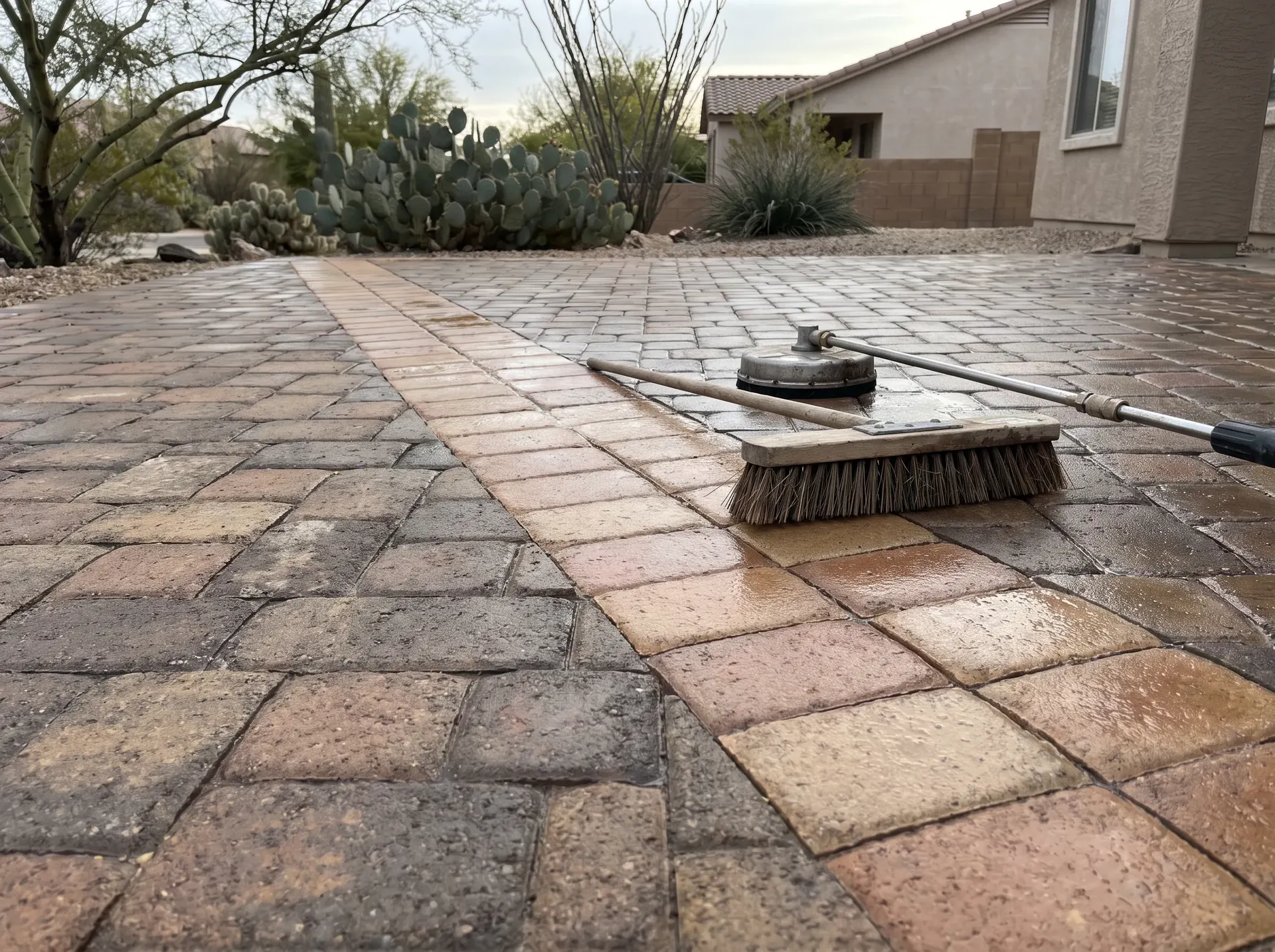 Paver CleaningHard water deposits, efflorescence, oil, rust and organic staining, dealt with at a pressure that does not strip the joint sand out of the whole field.See the detail
Free on site quote
Get a quote for your pool deck
Tell us roughly how big the deck is and whether the coping is being replaced too. Photos of the water edge help most.
Or call (520) 555-0194. Mon to Fri, 7am to 5pm. Saturday by appointment.
That is with us
We will call to arrange the site visit, usually the same working day. If it is urgent, call(520) 555-0194.